
Table Of Content
- What is Botox?
- How does Botox work?
- What are Dermal Fillers?
- How does Dermal Filler Work?
- The major side effects of Botox and Fillers
Botox vs Fillers? A Guide to Choosing the Right Cosmetic Treatment
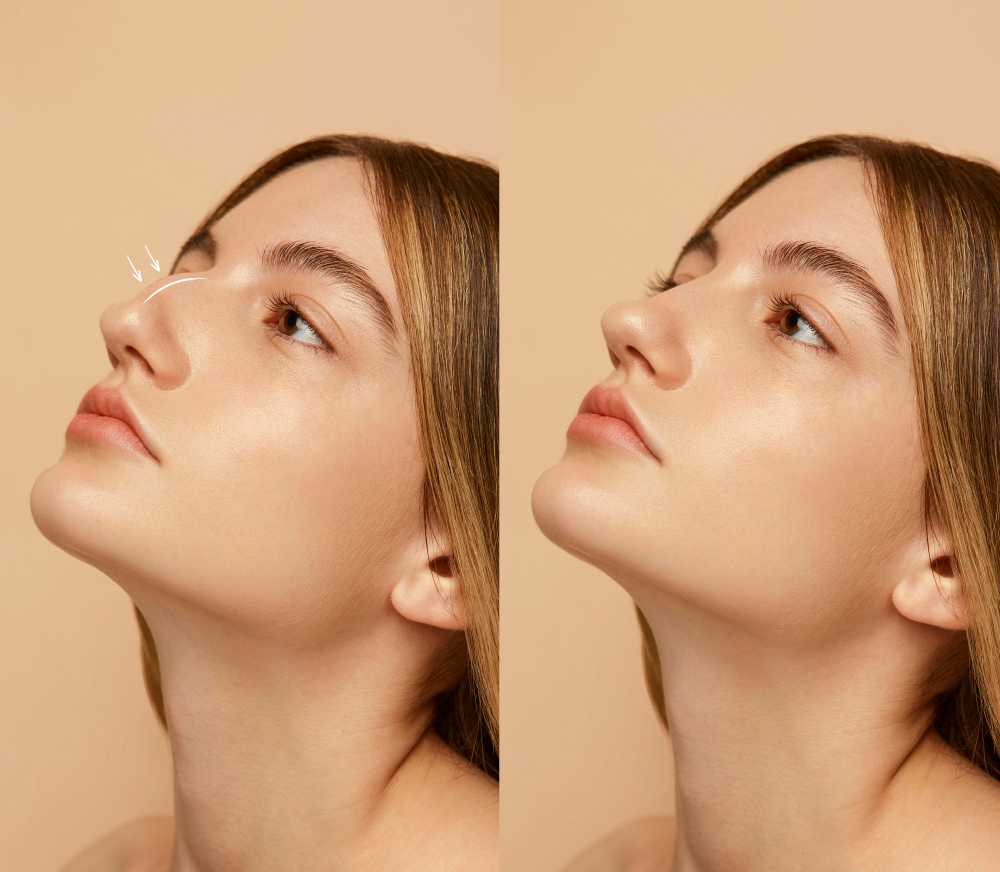
The need for cosmetic procedures has increased dramatically along with their use. Many choices are available for treating wrinkles, such as over-the-counter medications. However, some people prefer to see their healthcare providers for more effective and long-lasting benefits. Both Botox and Filler are injectable cosmetic procedures with minimally adverse side effects that remain for a long time. The fact that they are both minimally invasive and intended for wrinkles is one of their commonalities. They are different because fillers provide fullness while Botox freezes muscle. Even though they are comparable, there are a few variations between the two that should be taken into account when deciding on your course of therapy.
To put it simply, pure microorganisms found in Botox cause muscles to freeze. By doing this, Botox can lessen the visibility of wrinkles and lines brought on by facial emotions. While aging causes some regions of the face, lips, and mouth to thin, dermal fillers contain substances that restore fullness to these areas. However, patients should have reasonable expectations about their abilities and be informed of the dangers and expenses associated with such treatments.
What is Botox?
Bacteria are the source of self-muscle relaxants, Botox, and a refined version of the Botulinum Toxin. Botox is typically used to treat wrinkles and lines brought on by facial expressions. Botox has been used for decades to address fine lines and wrinkles at a controlled dosage. Botox is used to treat neurological conditions like migraines and muscle weakness along with a number of other medical conditions.
How does Botox work?
Botulinum toxin, which momentarily weakens or freezes muscles, is the ingredient used to make Botox and other therapies. By momentarily paralyzing or freezing the muscles and relaxing them in the vicinity of these creases, its injections inhibit the nerve signals that control the muscles. The dynamic wrinkles seem less, softer, or occasionally disappear entirely when certain facial muscles are prevented from moving. Static lines and fine lines brought on by a loss of collagen cannot be treated with Botox. The muscles that contribute to the particular wrinkles that require treatment are injected by dermatologists. It takes two to three minutes to receive a Botox injection, and benefits should be seen in two weeks. Depending on your therapy, Botox takes repeated sessions that typically last 3-5 months.
What are Dermal Fillers?
Dermal fillers are injectables that are used to repair facial wrinkles, much like Botox. Dermal or Soft tissue fillers, sometimes referred to as dermal fillers, are introduced below the skin’s surface to add volume and fullness. Fillers are mostly used to restore lost volume to the face, lips, under eye area, and other areas where fat has been lost. They are also used to treat smile lines that result from aging-related collagen degradation and static lines caused by sun damage. Their goal is to reduce the visibility of wrinkles while increasing the skin’s volume, contour, and brightness.
How does Dermal Filler Work?
With dermal filler, a gel-like material is injected into the desired facial areas using a cannula or needle. The filler then plumps the skin from the inside out, fills in wrinkles and creases, plumps the lost volume, and acts in the places where skin elasticity has decreased and fat and protein have been lost. Different temporary or permanent materials are used to make fillers. Typically, fillers include the following: Restylane, Juvederm, and Belotero are examples of hyaluronic acid fillers. These endure for five to twenty-four months and come in various thicknesses. A different kind is made of calcium hydroxyapatite. Radiesse and other Allergan fillers are good for deep filling and have a 12- to 14-month shelf life.
The major side effects of Botox and Fillers
Facial cosmetic treatment has various negative effects, just like any medical procedure. Side effects of Botox: To minimize side effects, those in good health are typically advised to get Botox. Consider twice before getting Botox if you have a skin condition or allergy, if your facial muscles are relatively weaker, or even if you are expecting a child. There are adverse effects from dermal fillers. The mild to moderate negative effects of dermal fillers subside in a few weeks. Although serious adverse effects from this kind of medication are uncommon, having an allergy evaluated is usually advised. However, the smoker needs to abstain from fillers, which is also advised for overall health.
Do You Know?
With 18+ years of expertise in cosmetology, we specialize in treatments that promote healing and rejuvenation.
(Take the first step towards revitalizing your care-just one click away.)
Conclusion
Heal and Care is an ISO-certified clinic offering top-notch worldwide care services in skincare, hair care, cosmetic treatment, laser therapy, and plastic surgery. This is the outcome of years of focused efforts. So, avail the benefits of our services under the guidance of experts with minimal downtime. Contact us immediately to rejuvenate your beauty.